New Granny Flat law in NZ good news for space capsule buyers
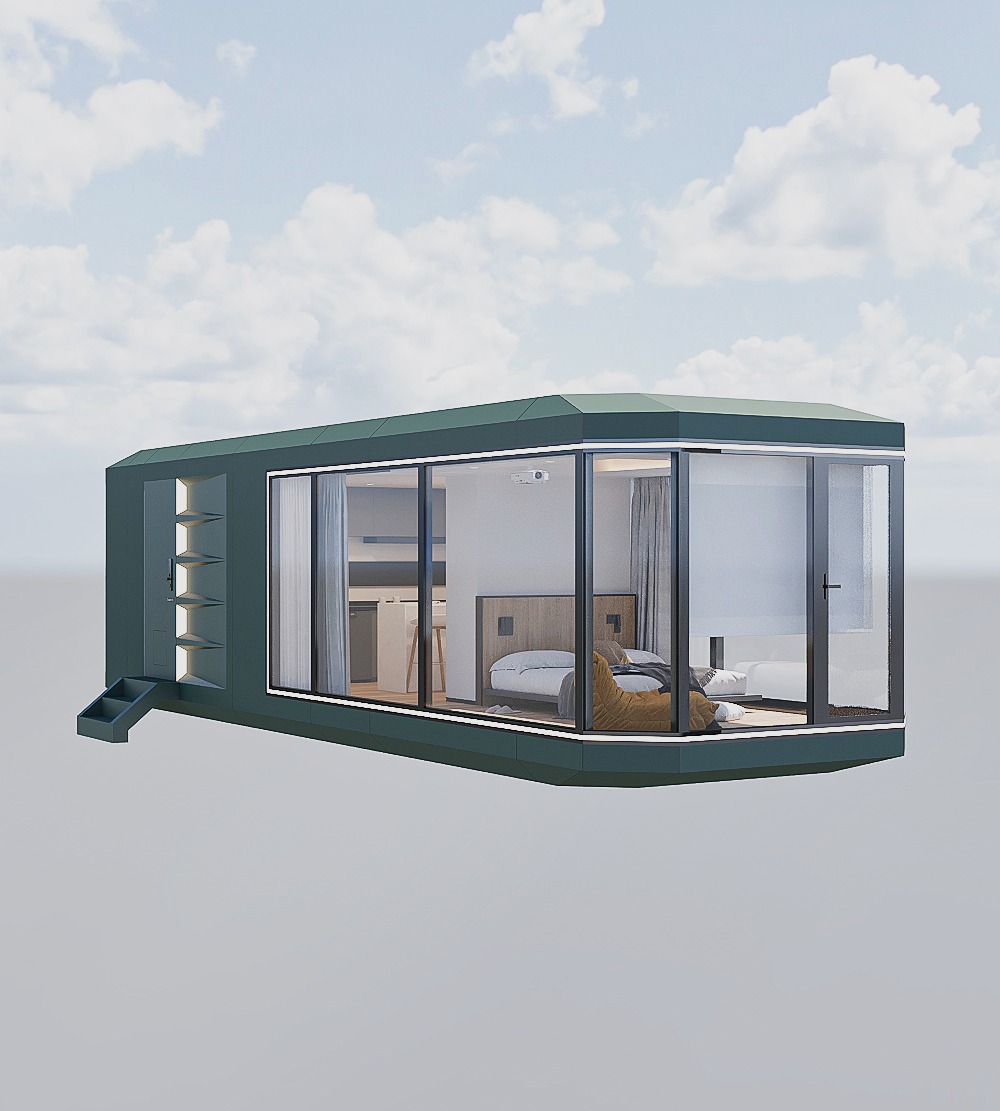
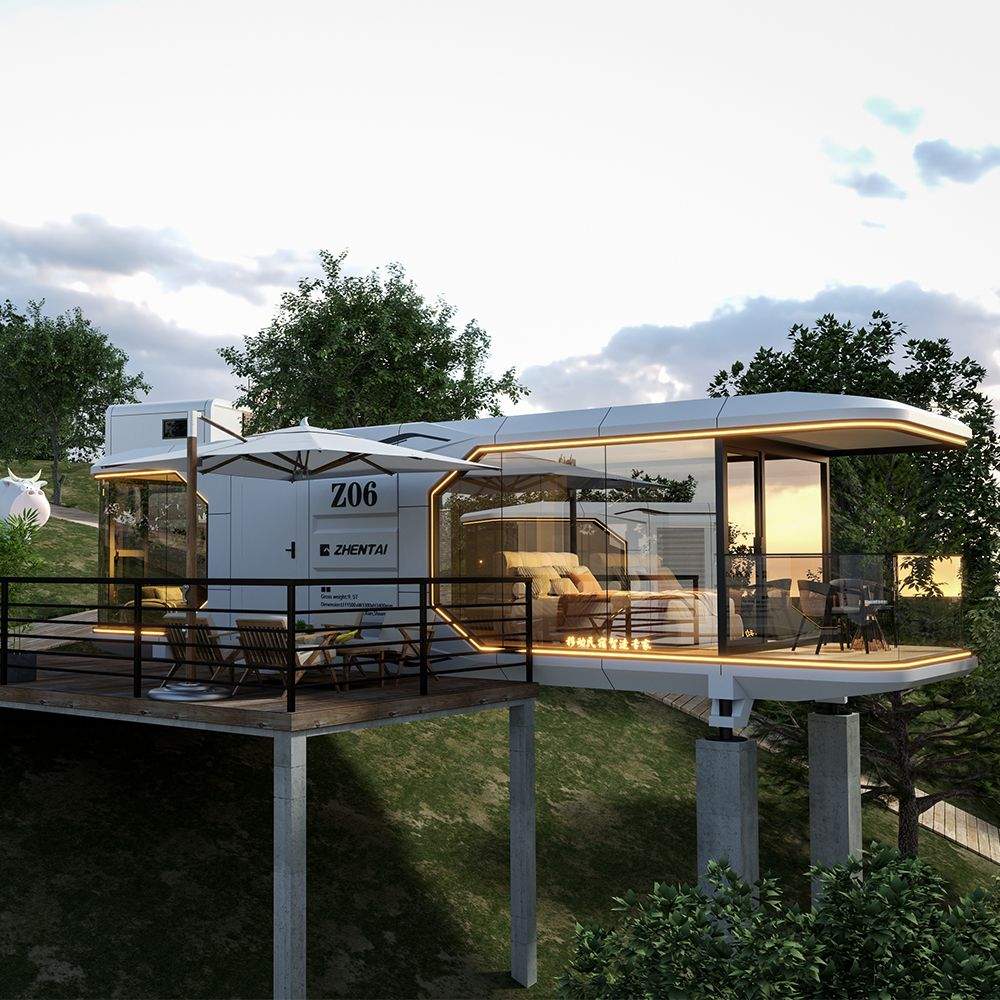
In 2024 the NZ government introduced amendments to the Building Act to make the process of adding a granny flat (tiny home, space capsule house, pod home, whatever you want to call them!) to your property a lot easier, faster and, most importantly, cheaper!
 While it is still yet to become law, after a lot of submissions, it appears these are the key points:
- Requires an existing consented dwelling on the property.
- Allow construction of a 65m² building without council consent. This is a change from the current legislation which allows up to 30m2 (however the current law is only for cabins or sheds that do not have a bathroom or kitchen – this proposed change will permit the building to have both a bathroom and kitchen, so fully self contained).
- Require the building to be at least 2 metres away from any boundary or other structure.
- Mandate notification to both the council and WorkSafe before construction begins.
- Assign liability for the building work to either the owner or the builder.
- Permit homeowners to complete plumbing or drainage work, provided it is inspected by a plumber. Wet room showers will be allowed.
- Require all electrical work to be done by a licensed electrician.
- Mandate engineer inspections in areas with high wind loads or unstable ground.
- Require submission of a Code Compliance Certificate (CCC) request to the council, including plans and sign-offs from the builder/owner, plumber, electrician, and engineer (if needed). The council will conduct a final inspection, charge a fee, and may issue default notices or require additional inspections.
- Make council consent mandatory for bank approvals. The council must issue consent within 10 days, potentially charging a small fee (e.g., $150). District plan rules such as height, boundary setbacks, site coverage, or permeable surface area cannot be used to reject the application.
- Require insurance companies to see both council consent and the CCC.
- Allow Māori land to have up to two granny flats per existing dwelling, or one flat if no dwelling exists.
- Permit the new building to be attached to an existing structure, provided it meets fire standards and receives a firefighter inspection sign-off.
- Impose a small building development fee (e.g., $500) to cover council costs for water, electricity, and sewage infrastructure.
- Enable councils to raise rates (e.g., by 3%) to address ongoing costs such as noise complaints, animal control, and rubbish/recycling services.
As mentioned the legislation is not yet drafted however this is expected to come into force in 2025 and will open up a lot of possibilities for homeowners to accommodate extra family members on their existing property, or host overseas students and make extra money from AirBNB or short term rentals.
Criticisms of the new Granny Flat proposed law changes
While this is an exciting step forward (trusting it goes through as promised without significant changes – currently both Labour and National are supporting the change so at this stage things look good!) there has been some criticism that the changes don’t go far enough to address the big problem of home affordability and ease pressure on the housing supply in New Zealand.
Additions that many would like to see include:
- Being able to build or install on an empty section (without requiring an existing dwelling).
- Increasing the supply of sections that are friendlier for smaller homes (most subdivisions have strict covenants that exclude homes that are less than 140m2 or prefabricated homes).
- Requiring councils to make the process more user friendly, transparent and easy to follow.
- Allow Kiwisaver to be used for tiny homes / capsule home setups.
On a personal note, I would like to see less stigma surrounding tiny homes. Even the moniker “granny flats” has negative connotations, implying they are only for little old ladies who have been forced to downsize for financial reasons. Not something that can be legislated but hopefully the new generation of tiny home builders will create aesthetically pleasing houses that blend harmoniously with their environment and change people’s minds.
Let’s hope this new Granny Flat legislation helps speed up the process and improve home affordability for everyday Kiwis.