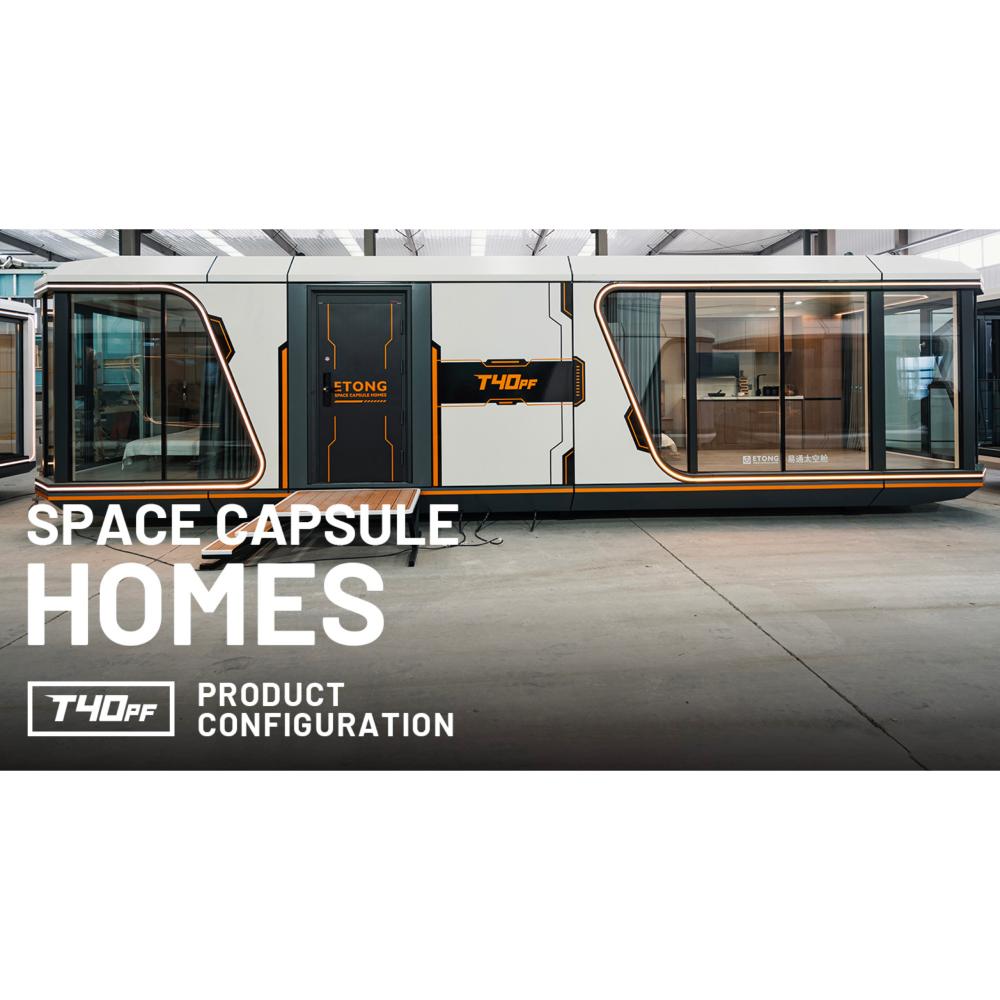
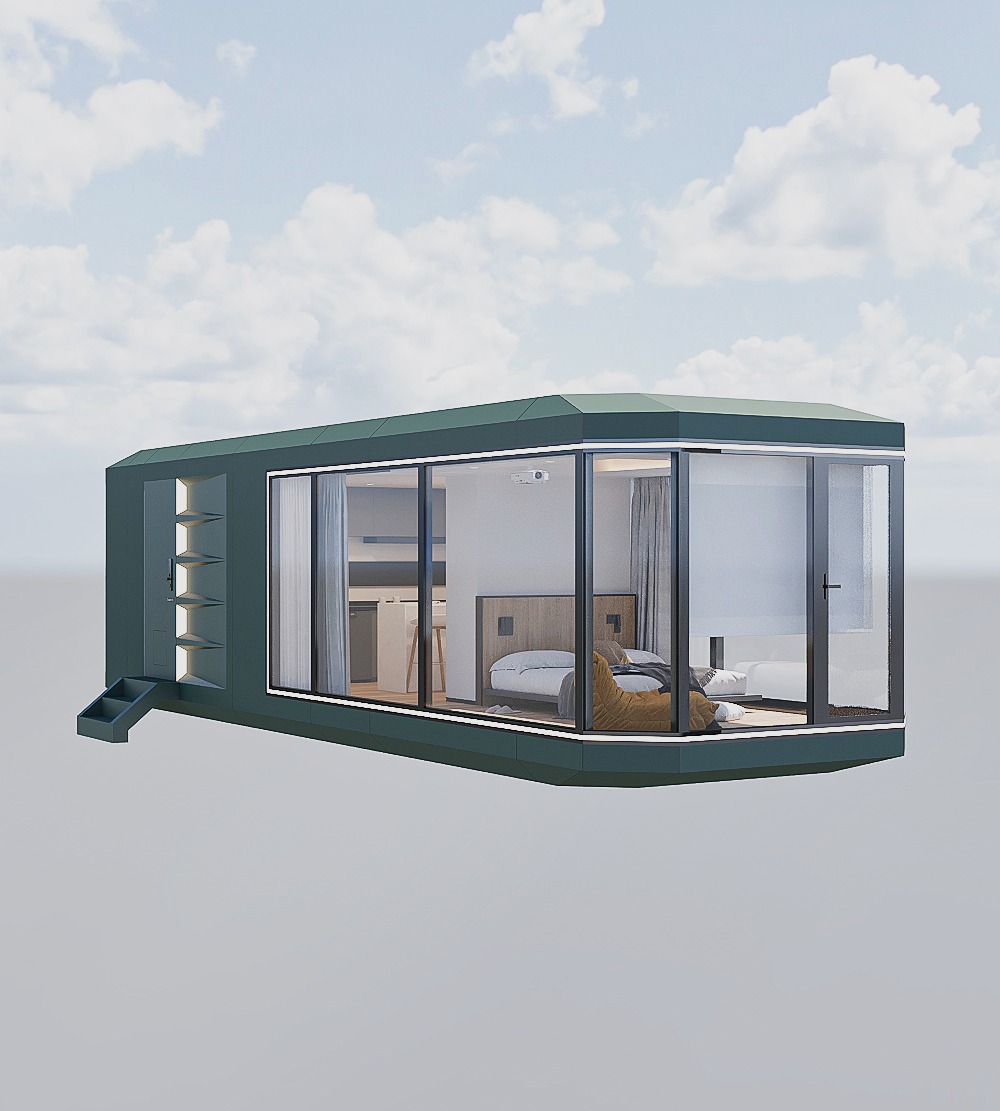
Latest Trends in Chinese Space Capsule Homes: A Glimpse into the Future of Living
As urbanisation continues to skyrocket in China, the need for affordable, efficient, and innovative living spaces is more urgent than ever. With housing prices in major cities like Beijing and Shanghai reaching new heights, many are looking for alternative solutions to traditional apartments.

This is where the space capsule home—a compact, self-contained living space—comes into play. Companies like Volferda and Suzlive are at the forefront of this trend, creating futuristic, functional capsule homes designed to meet the needs of a growing population. In this blog post, we’ll explore the latest trends in Chinese space capsule homes and what makes them such an appealing option for modern urban living.
What Are Space Capsule Homes?
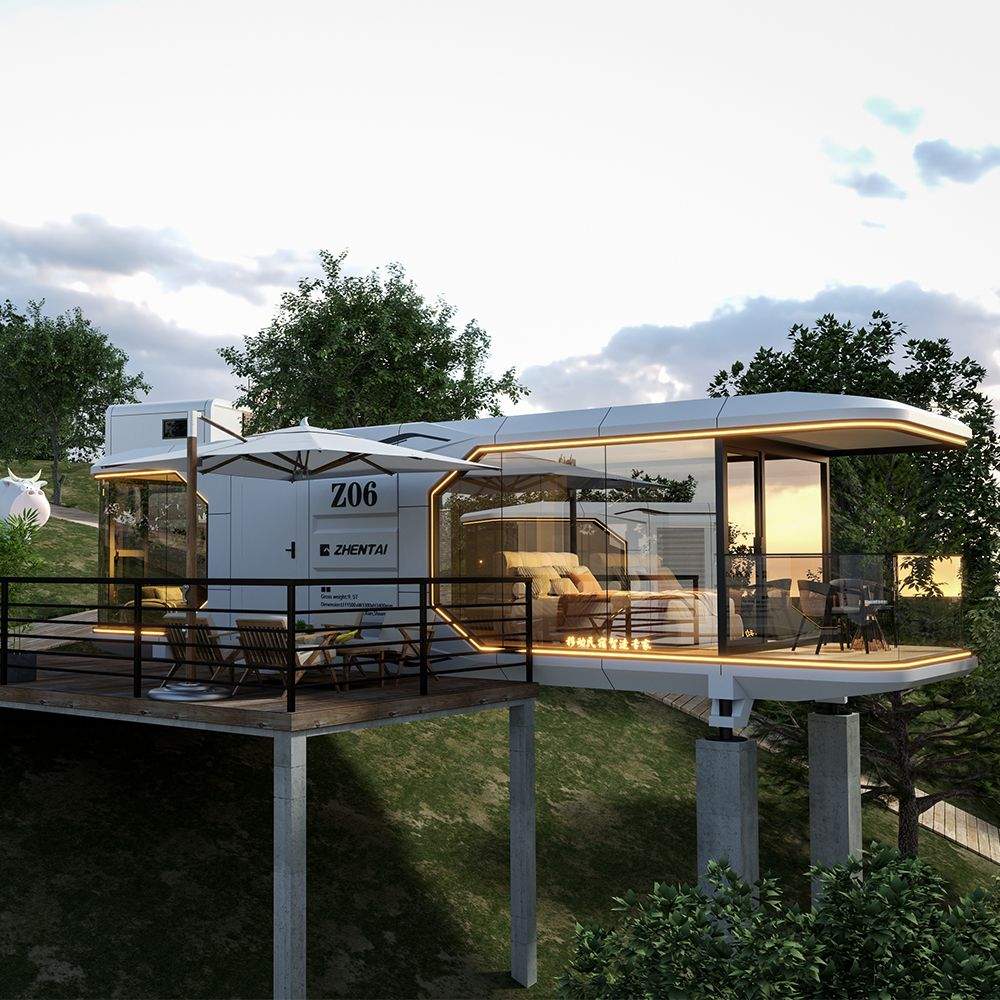
Space capsule homes are essentially tiny, modular units designed to offer maximum efficiency in a compact area. They are inspired by the idea of space capsules, where every inch is used for functionality. These homes are often no larger than a few square metres, yet they incorporate everything needed for a modern living experience, from sleeping areas to storage and even bathrooms.
Designed for a minimalist lifestyle, space capsule homes are ideal for single individuals, young professionals, or people who need a temporary place to stay in the city. Companies like Volferda and Suzlive are leading the charge in bringing these futuristic homes to life, providing people with an affordable alternative to traditional housing.
Key Features of Space Capsule Homes
The design philosophy behind space capsule homes revolves around minimalism, efficiency, and multifunctionality. Every feature is strategically placed to maximise utility without compromising comfort. Here are some key characteristics that define these homes:
1. Modular Design
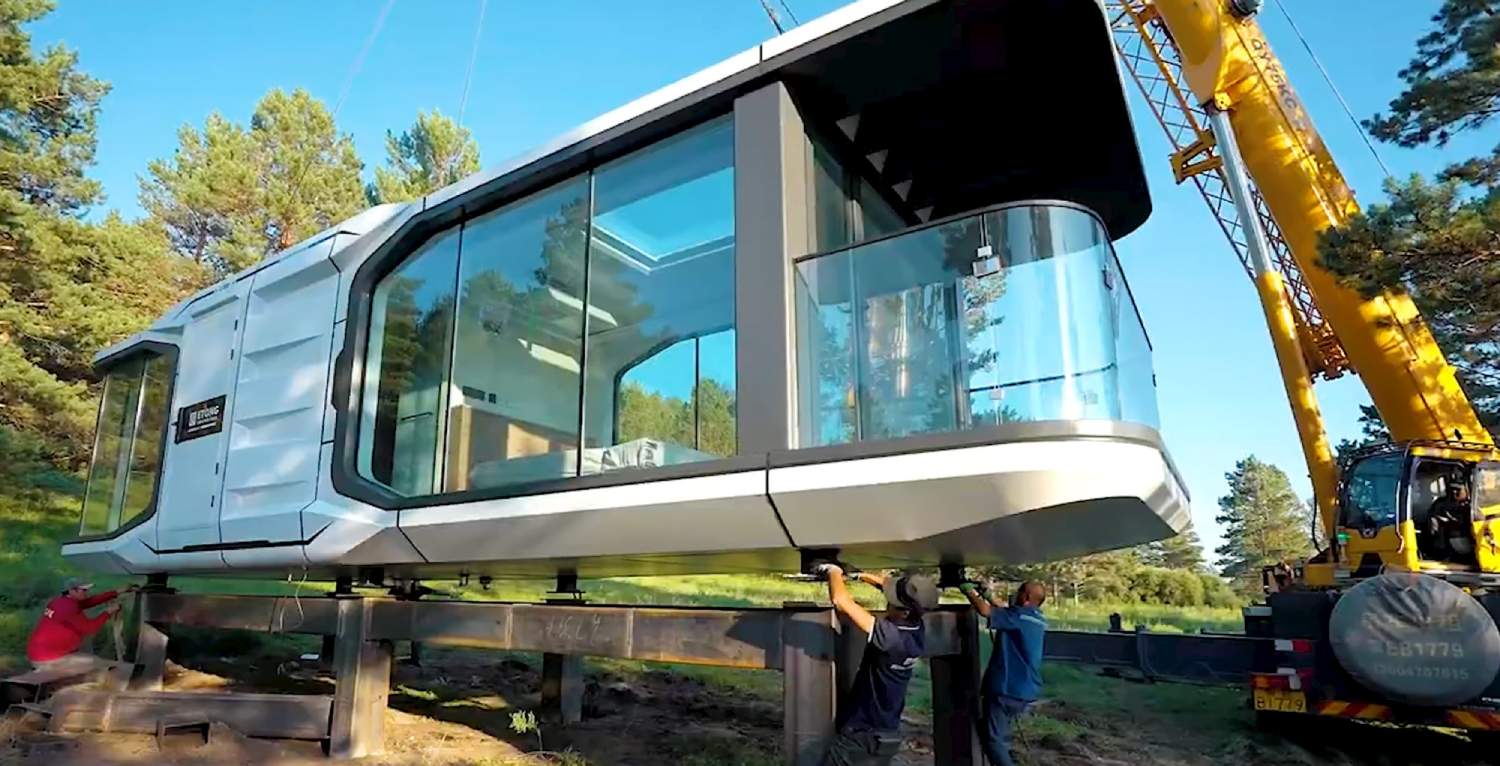
Space capsule homes are typically modular, meaning they can be stacked or connected to form larger complexes. This modularity allows for a highly adaptable living space that can be customised based on the number of people, specific needs, or available space. The units can be placed in urban environments like city rooftops, vacant land, or even converted office spaces, providing flexible housing solutions.
2. Compact, Smart Interiors
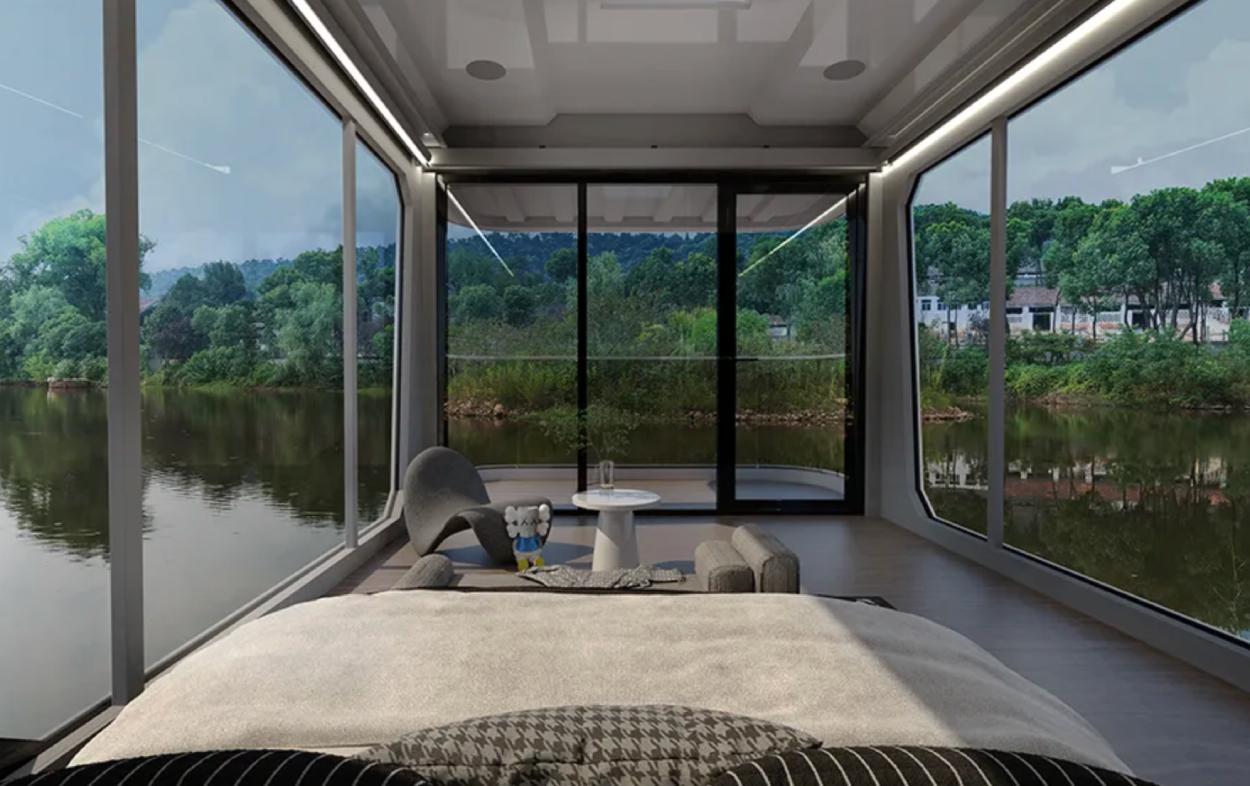
Despite their small size, these homes feature smart, space-saving interiors. Everything is carefully designed to be both functional and aesthetically pleasing. For instance, beds often fold into the walls, and tables and chairs double up as storage units. In some models, AI-driven systems control lighting, temperature, and even the music or entertainment systems, adding an extra layer of convenience and sophistication.
3. Advanced Materials and Technology
To ensure comfort in a compact space, space capsule homes are built using lightweight yet durable materials. Materials such as carbon fibre, high-strength alloys, and advanced composites are commonly used to reduce weight while maintaining structural integrity. These homes are also equipped with energy-efficient appliances, including solar panels and advanced insulation, making them eco-friendly and cost-effective in the long run.
4. Sustainability and Eco-Friendly Living
One of the most notable trends in space capsule homes is their focus on sustainability. Companies like Suzlive are committed to ensuring their capsule homes have a minimal environmental footprint. This means using recycled materials, reducing energy consumption, and integrating water-saving technologies such as rainwater harvesting systems. The integration of green roofs and vertical gardens in some designs helps improve air quality while also providing a relaxing, nature-inspired atmosphere.
Trends in Chinese Space Capsule Homes
The development of space capsule homes in China is a reflection of the growing need for affordable housing solutions in dense urban centres. While the concept has been around for a few years, providers like Volferda and Suzlive are pushing the envelope with more innovative and futuristic designs. Here are some of the latest trends in this growing sector:
1. Integration with Smart Cities
As China continues to build smart cities, space capsule homes are being integrated into these technologically advanced environments. In collaboration with city developers, companies like Volferda are designing homes that connect seamlessly with the city’s smart infrastructure, from traffic control systems to energy grids. This connectivity allows residents to monitor their energy consumption, optimise water usage, and receive real-time updates on everything from weather conditions to transportation schedules.
In these smart cities, space capsule homes also feature advanced AI assistants that can help manage daily tasks, from adjusting the temperature to ordering groceries. These homes aren’t just places to live—they are interconnected hubs of convenience and modernity.
2. Vertical and Rooftop Living
With limited space in crowded urban areas, many Chinese cities are exploring vertical living solutions—an approach that involves stacking capsule homes on top of each other or on existing buildings. This trend is particularly popular with companies like Suzlive, who have designed capsule homes that can be stacked vertically on rooftops or converted buildings. These rooftop capsules provide urban dwellers with a unique opportunity to utilise unused or underutilised space, creating a sustainable, space-efficient solution for modern city living.
3. Focus on Community and Social Interaction
Although space capsule homes are designed for privacy and individual living, there is a growing trend to create communal spaces within these developments. These shared spaces can include things like co-working areas, communal kitchens, and social lounges, where residents can interact, collaborate, and form a sense of community. This is particularly appealing for young professionals or digital nomads who want to live in the heart of the city but also crave a social environment.
Some companies, like Volferda, have incorporated shared common areas into their designs, encouraging a balance between private living and public interaction. These communal spaces often feature modern amenities, including co-working spaces with high-speed internet, smart meeting rooms, and fitness centres.
4. Affordable and Temporary Housing Solutions
Given the rapidly increasing costs of real estate in China’s major cities, space capsule homes offer an affordable alternative to traditional housing. Many of these units are also designed to be temporary housing solutions, ideal for people who only need a place to stay for a short period. This could include students, tourists, business travellers, or professionals working on temporary projects. The flexibility of the space capsule home model allows residents to move in and out easily, offering more freedom compared to long-term leases or expensive hotel stays.
5. Customisation and Personalisation
As with any living space, personalisation is key to making a house feel like a home. Suzlive and other providers are increasingly offering customisation options for residents, from interior designs to the type of technology integrated into the homes. Residents can choose the colour schemes, layout configurations, and specialised add-ons to suit their lifestyle, ensuring that their compact space meets both their practical and aesthetic needs.
What’s the Future of Space Capsule Homes?
Space capsule homes are redefining urban living in China, offering a creative, sustainable, and affordable alternative to traditional housing options. With advancements in technology, eco-friendly designs, and modular concepts, these homes represent the future of efficient urban living. As companies like Volferda and Suzlive continue to innovate, it’s clear that space capsule homes will play a significant role in addressing China’s housing challenges, making them an attractive choice for those seeking a modern, minimalist lifestyle in the heart of the city.
Do you think one of these homes might be a good option to add extra living space to your property? Or to set up holiday accommodation? Or the perfect country retreat? Get in touch and lets talk about the options.