8 Reasons Space Capsule Homes from China are ideal for Kiwis
In the face of a global housing crisis and environmental concerns, innovative housing solutions are emerging to meet modern needs.

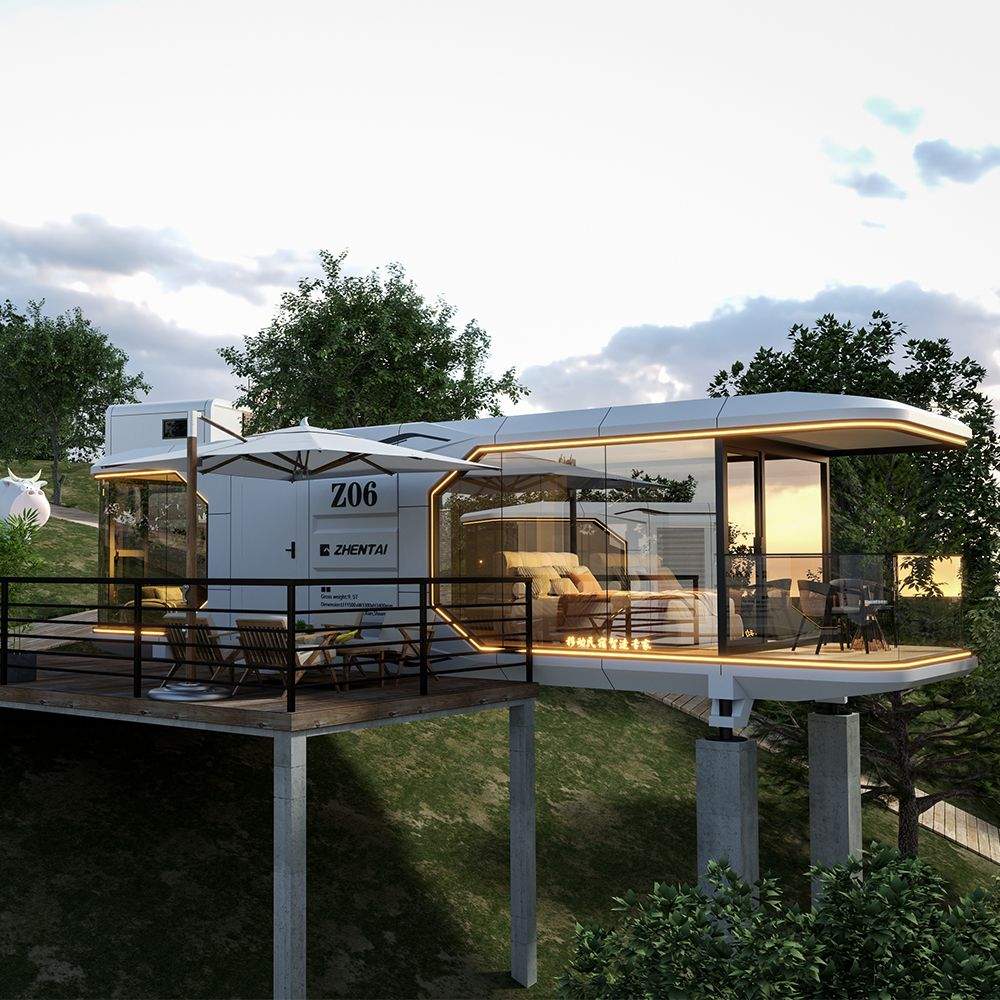
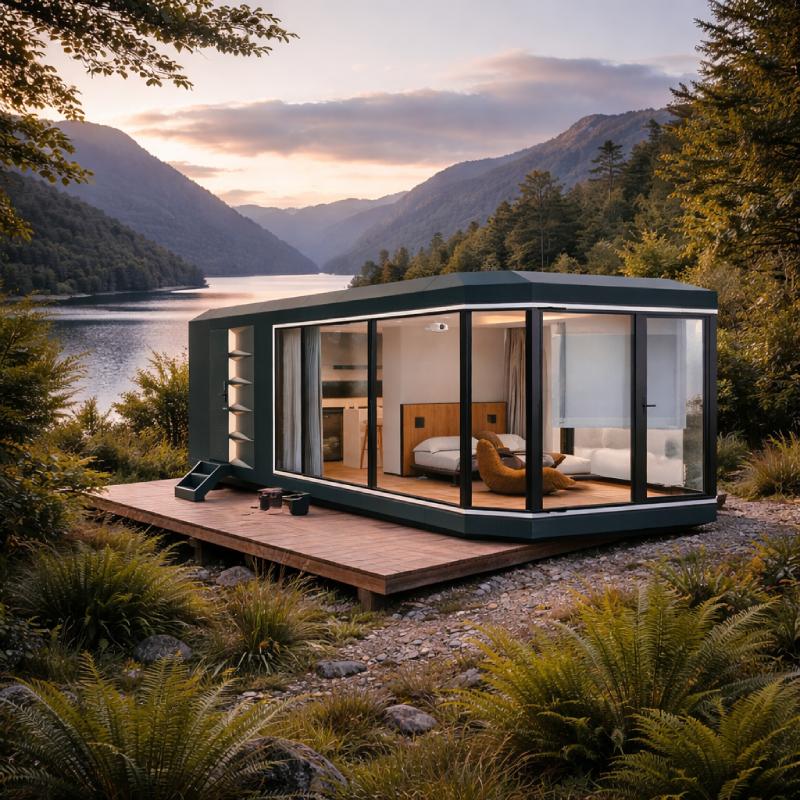
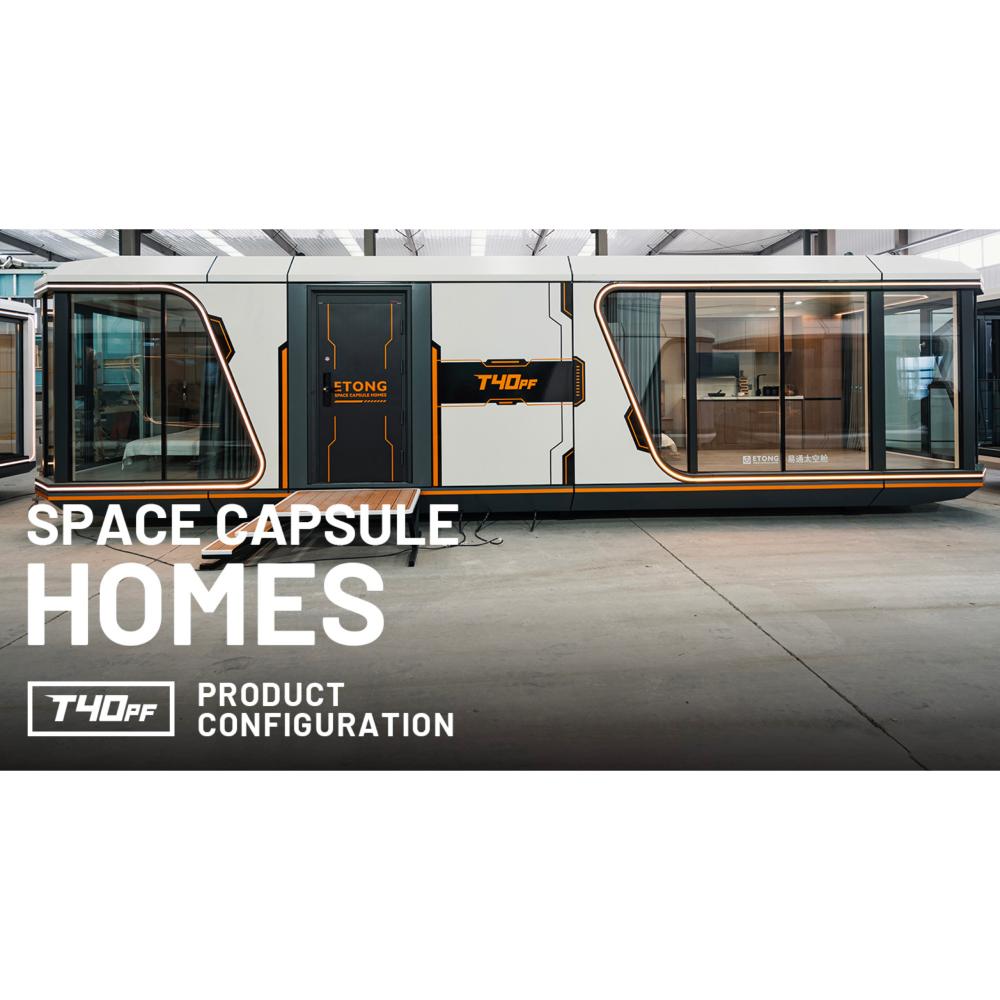
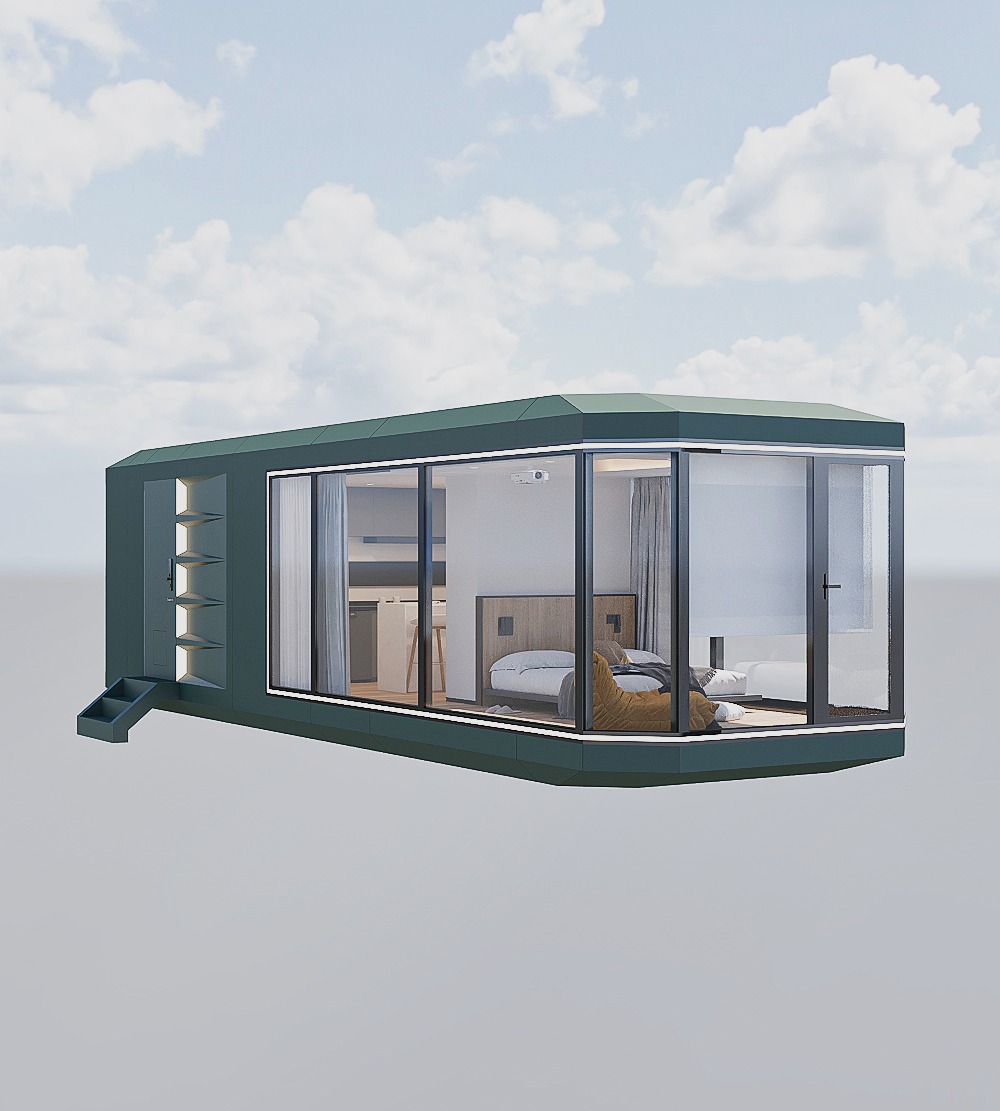
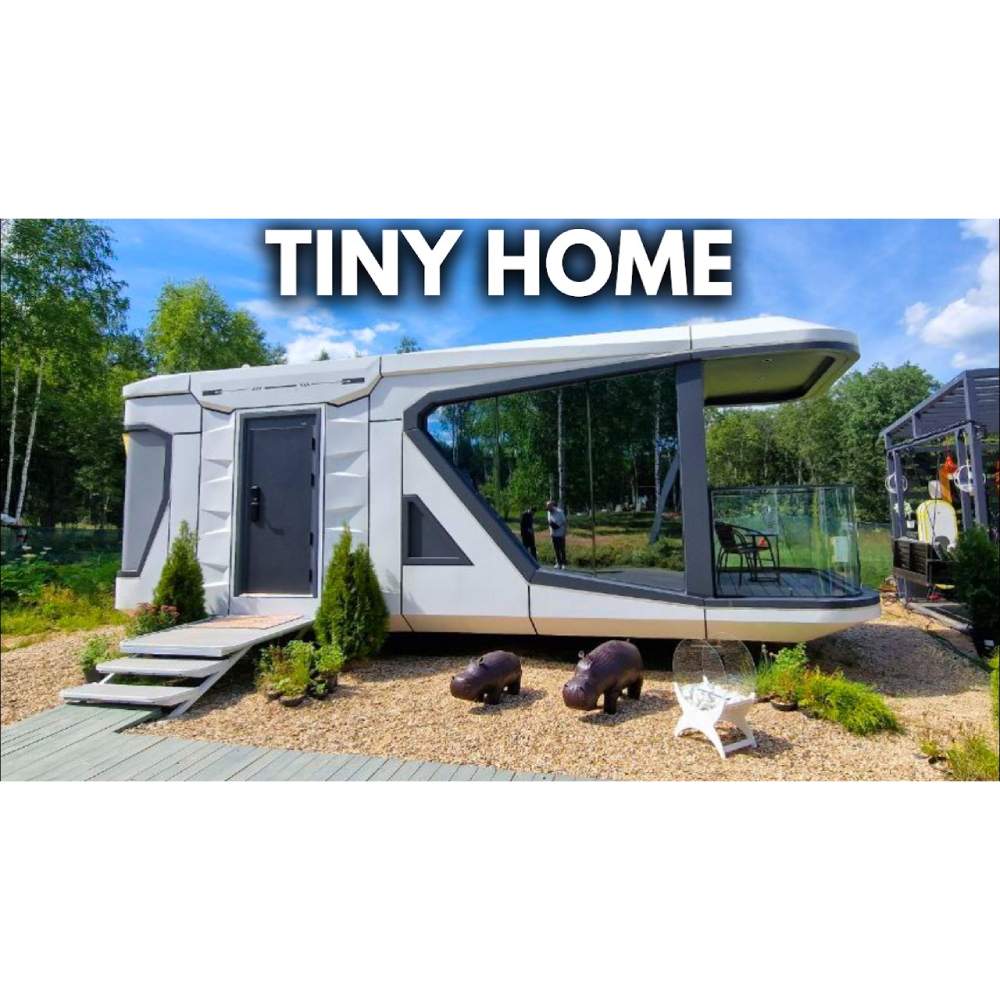
Space capsule homes, particularly those manufactured in China, present an exciting option for New Zealand. These compact, affordable, and sustainable dwellings align perfectly with the country’s housing challenges, eco-conscious ethos, and lifestyle trends.
With prices starting from just $20,000 USD, here’s why space capsule homes from China are a perfect fit for New Zealand.
1. Affordable Housing for All
New Zealand’s housing market has been under pressure for years, with high property prices creating barriers for first-time buyers and renters. Capsule homes provide an affordable solution, costing a fraction of what a traditional house or flat might.
Chinese manufacturers are leaders in producing these homes due to their economies of scale, advanced manufacturing technologies, and competitive pricing. By importing these prefabricated homes, New Zealand can offer affordable housing options that cater to a range of demographics, from young professionals to retirees looking to downsize.
2. Sustainability: A Key Selling Point
New Zealand is renowned for its commitment to environmental sustainability, making capsule homes a natural fit. Many space capsule homes are designed with eco-friendly materials and energy-efficient systems, such as solar panels and water recycling systems.
Chinese manufacturers are at the forefront of sustainable construction, often integrating green technologies into their designs. These homes have a smaller carbon footprint during both production and operation, aligning with New Zealand’s goals of reducing greenhouse gas emissions and promoting renewable energy.
3. Quick and Efficient Construction
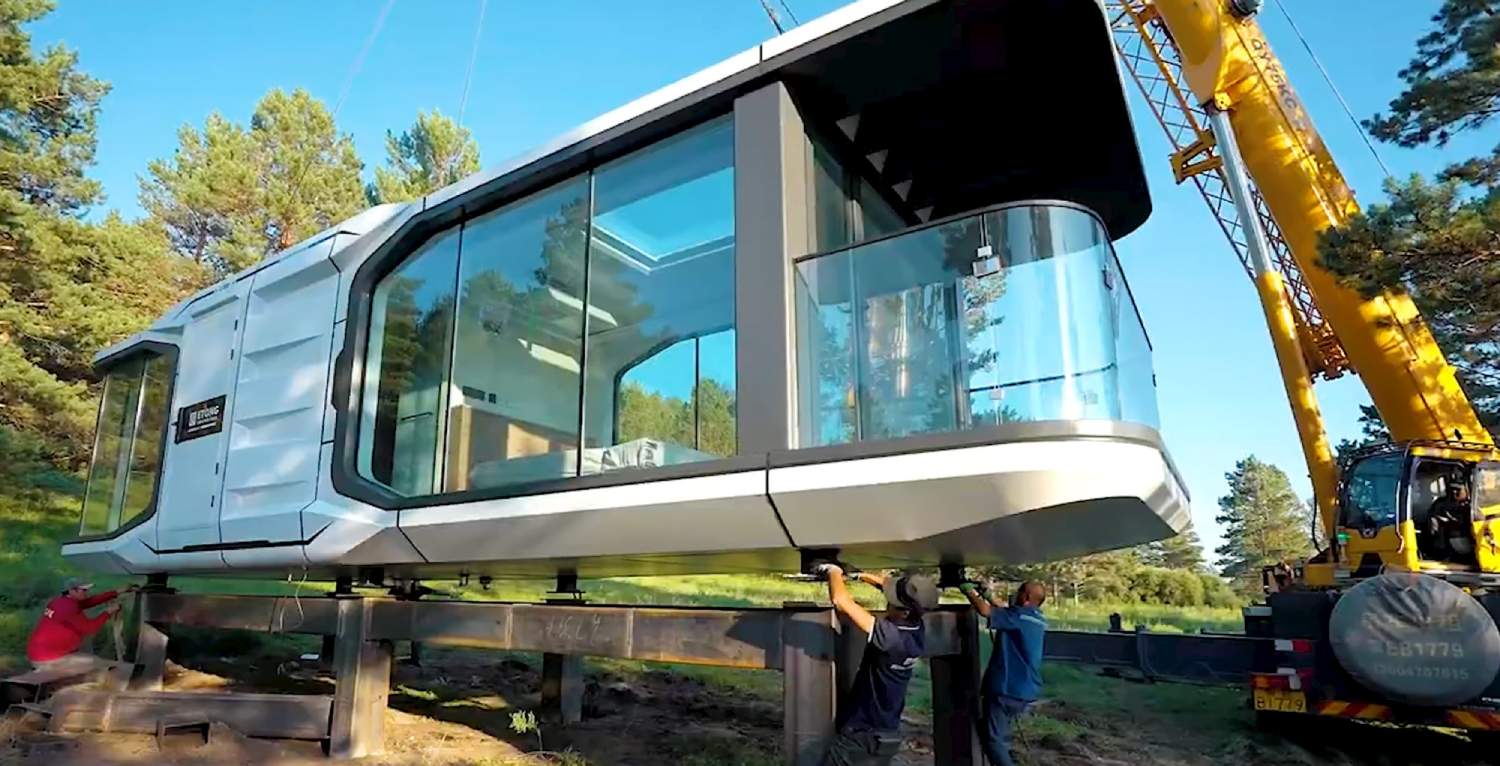
In New Zealand, the demand for housing often outpaces supply due to labour shortages and lengthy construction processes. Capsule homes address this issue by offering a plug-and-play solution. Prefabricated in factories, they can be shipped and assembled in a matter of weeks rather than months or years.
4. Adaptable to New Zealand’s Unique Landscapes
New Zealand’s diverse geography, from rolling farmlands to rugged coastlines, requires housing that can adapt to various terrains. Space capsule homes, with their lightweight and modular design, are versatile enough to suit these environments.
5. Lifestyle Compatibility
The minimalist living movement has gained traction worldwide, and New Zealand is no exception. Space capsule homes cater to this trend by offering a compact yet functional living space that encourages simplicity and intentional living.
6. Solving Urban and Rural Housing Challenges
New Zealand faces dual housing challenges: overcrowding in urban areas and a lack of affordable housing in rural communities. Capsule homes can help solve both problems.
7. A Growing Market of Innovation
China’s space capsule manufacturers are constantly innovating to improve the design, quality, and functionality of these homes. Features such as smart home systems, enhanced insulation, and customisable layouts make them a desirable option for modern living.
8. Reducing Housing Inequality
Housing inequality remains a significant issue in New Zealand, with many families unable to afford safe and comfortable accommodation. Capsule homes offer an opportunity to level the playing field by providing high-quality housing at an accessible price point.
Is a space capsule home right for you?
Space capsule homes from China represent an innovative, affordable, and sustainable solution to New Zealand’s housing challenges. By embracing these prefabricated dwellings, New Zealand can address its housing crisis, reduce environmental impact, and align with lifestyle trends that value simplicity and flexibility.
With their quick assembly, adaptability to diverse landscapes, and alignment with modern living values, space capsule homes are more than a housing option—they’re a pathway to a more sustainable and inclusive future. For New Zealand, the adoption of these homes could signal a bold step towards reimagining housing in the 21st century.