What Is the Purpose of the NZ Building Code?
When you’re thinking about adding a small dwelling to your property—anything from a classic granny flat to a modern prefab space capsule—the first thing you’ll usually bump into is the New Zealand Building Code. It can feel like a maze of rules at first glance, but at its core, the Code exists to keep people safe and ensure buildings perform well over time. Understanding what the Code does (and doesn’t) require makes it much easier to navigate options for creating extra living space on your land.
The Purpose of the Building Code
New Zealand’s Building Code is essentially a national performance standard. Instead of prescribing exactly how something must be built, it sets out the outcomes a building must achieve. These cover structural strength, weather-tightness, fire safety, durability, moisture control, energy efficiency, and more.
In simple terms, the Code ensures that:
- Buildings won’t collapse or deteriorate prematurely
- Occupants are protected from hazards such as fire, moisture, and unsafe materials
- Homes are warm, dry, and healthy
- Essential systems (like plumbing and drainage) work reliably
It’s a baseline for safety and quality—not a design manual—and it gives builders and designers flexibility in how they meet these standards. That’s why you’ll see everything from bespoke architect-designed homes to factory-built cabins and sleepouts all successfully meeting Code requirements, even though the construction methods can vary wildly.
How the Building Code Is Enforced
The Code is enforced through the building consent process. Local councils act as Building Consent Authorities (BCAs), and they check plans, issue consents, and inspect work as it progresses. If a building passes its final inspection, the council issues a Code Compliance Certificate (CCC). This document confirms that the structure complies with the Code as it stood at the time it was built.
However, not every structure needs a building consent. In 2020, New Zealand introduced a wider set of “exempt building work”—small projects that don’t require council permission as long as they follow safety rules, use qualified professionals where needed, and stay within size limits. These changes have been a game-changer for homeowners wanting a simple extra room or tiny dwelling without months of paperwork.
The Granny Flat Law and Simpler Requirements
The so-called “granny flat law” refers to the allowance for property owners to add a standalone building up to 30 m² without needing a building consent, provided certain conditions are met. These structures must still meet the Building Code, but the process is dramatically simpler because you skip the consent stage.
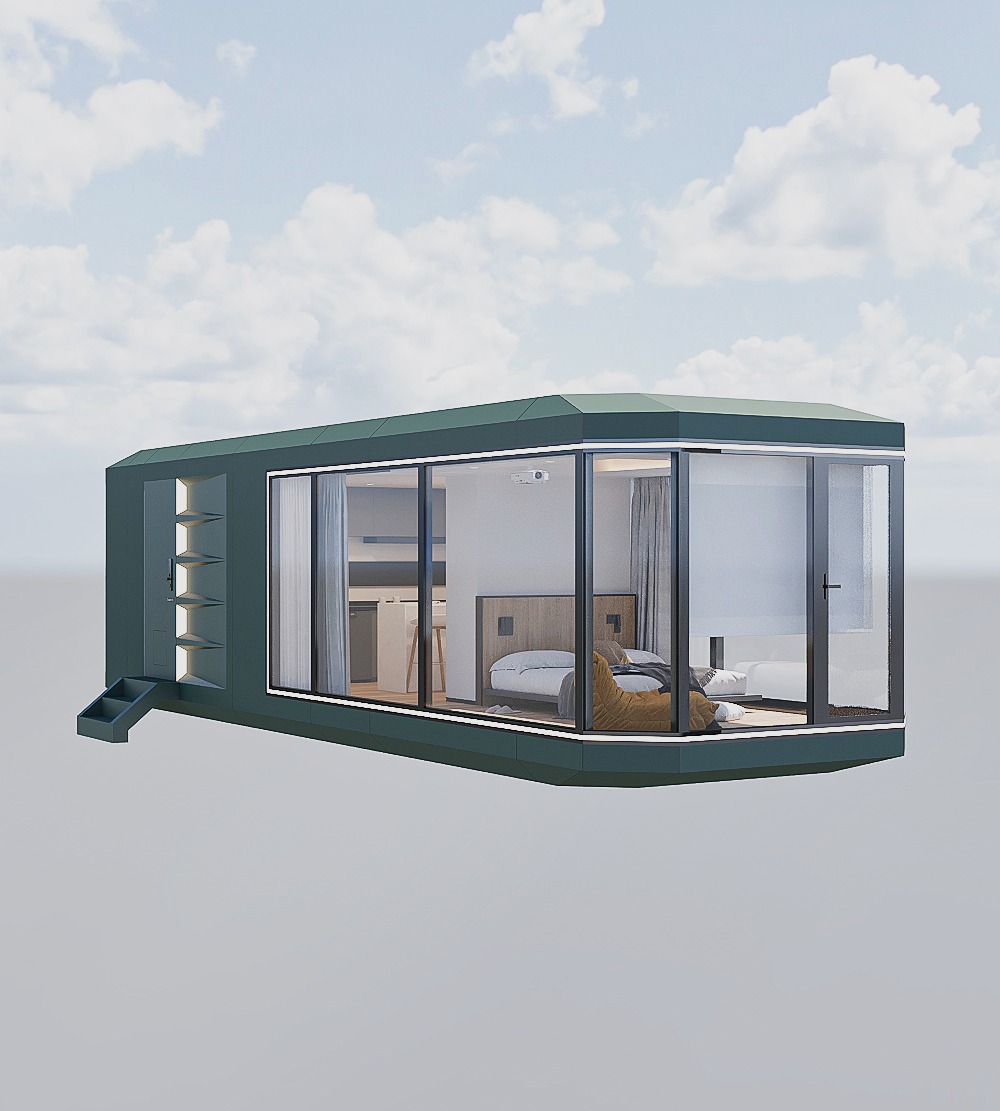
This rule has opened the door for a range of high-quality small dwellings, from timber cabins to modern prefab modules. For many homeowners, it’s a cost-effective way to create:
- A home office or studio
- Space for teenagers or extended family
- A rental unit or guest accommodation
- A retreat or sleepout separate from the main house
What’s important is that even though a building consent isn’t required, the building itself must still meet Code performance standards. In practice, reputable manufacturers—including overseas producers—build to or above these requirements because it makes their units safer, stronger, and more durable.
Prefab Space Capsules and Imported Units
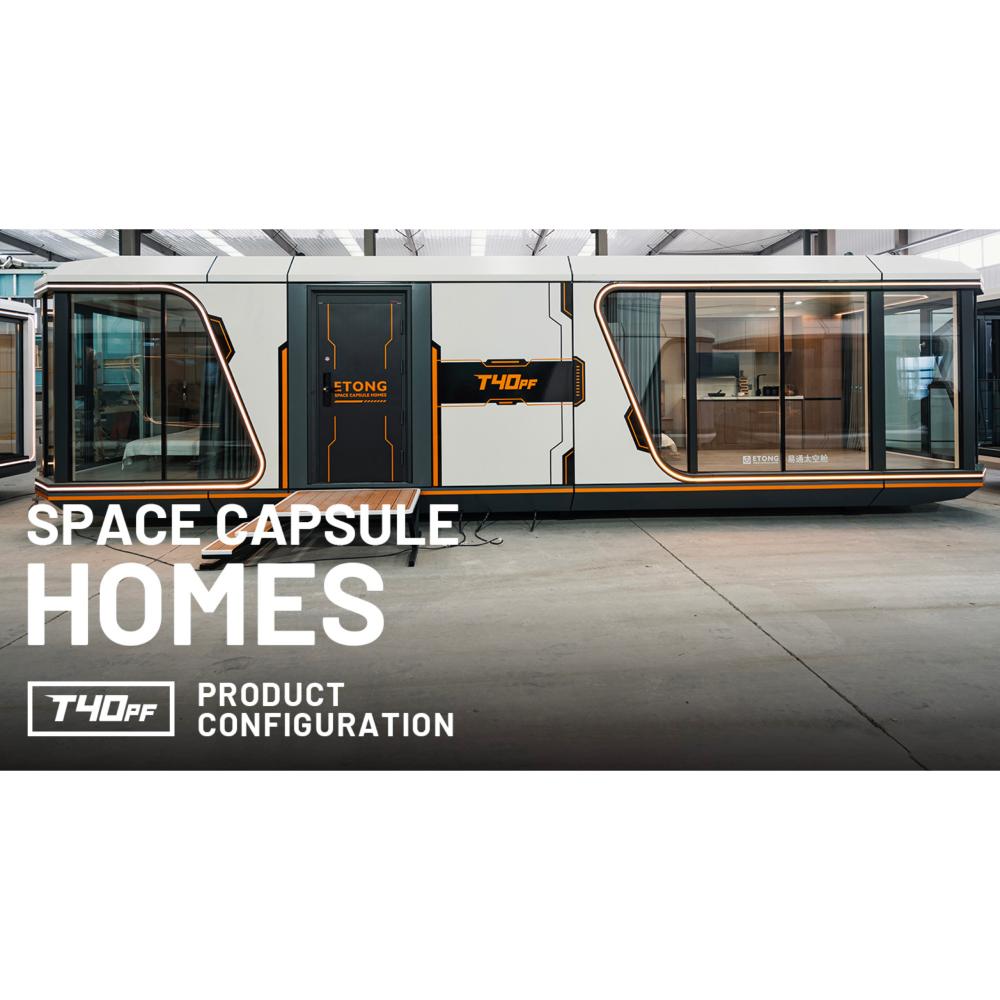
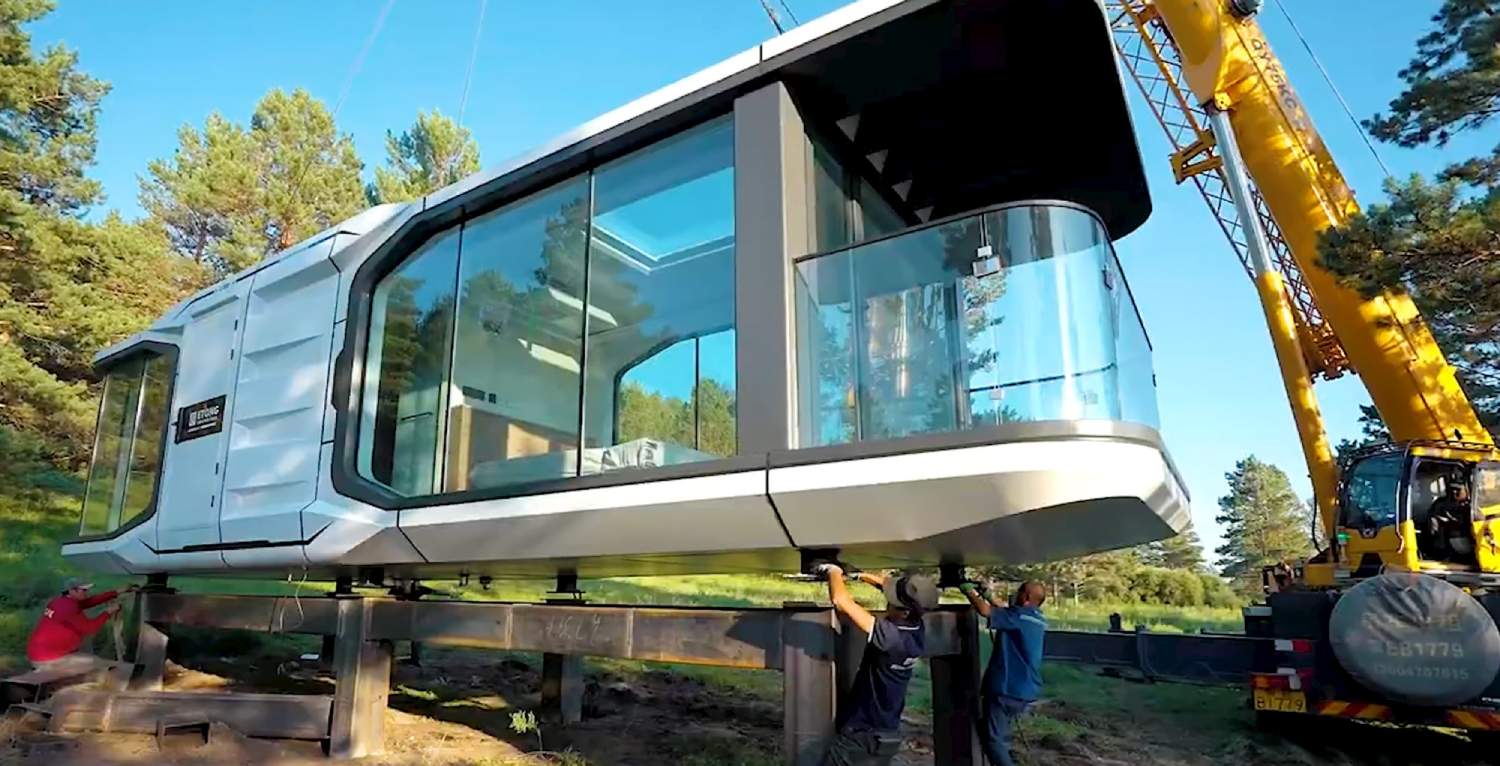
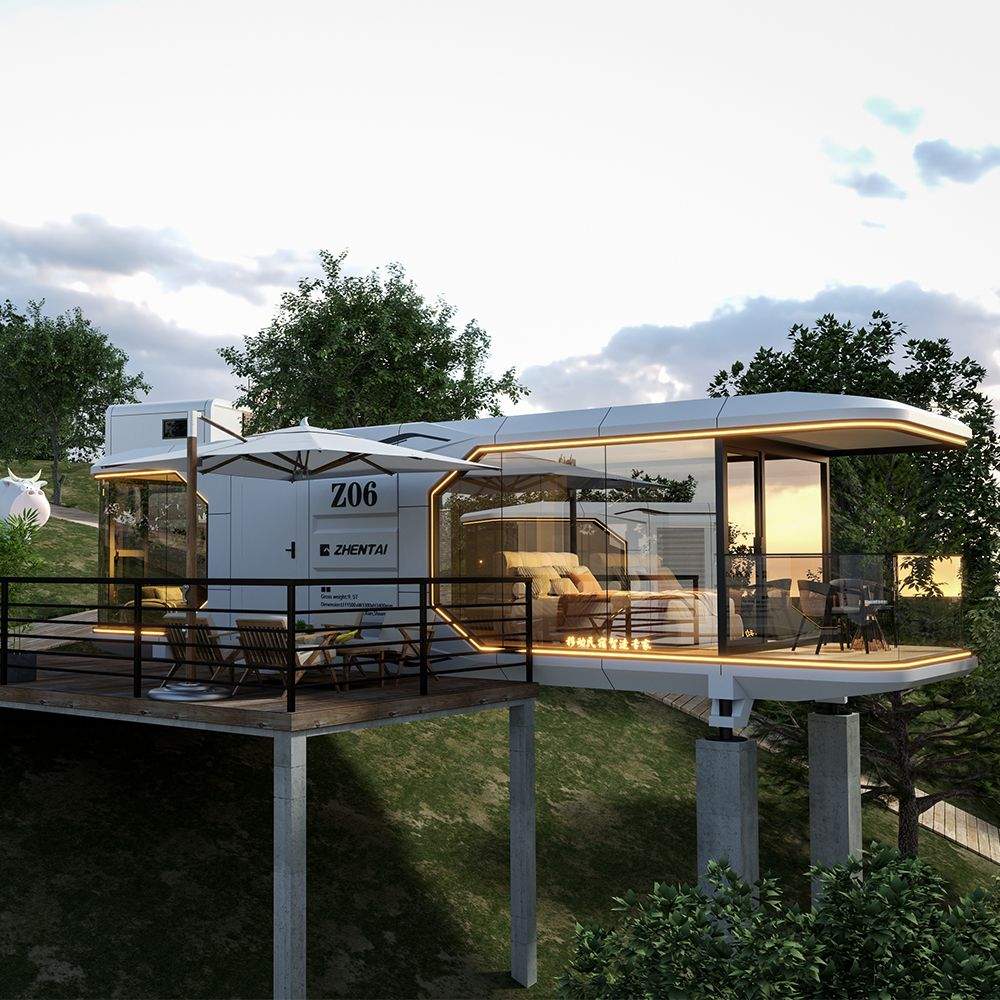
One example that has grown in popularity is the space-capsule-style modular unit manufactured in China. Many of these prefabs are built in controlled factory environments using steel framing, insulated wall systems, and engineered components. Although they’re not always designed specifically around NZ’s Building Code, they often meet or exceed structural and durability expectations because the manufacturing standards are high, particularly for international export.
For property owners, the key is ensuring any imported unit is paired with proper foundations, electrical work, and plumbing installations done by licensed tradespeople. Those parts of the project always need to comply with NZ regulations, even if the building itself is exempt from consent requirements. When handled correctly, these capsules can be warm, safe, and long-lasting—and they can be added to a property without the usual building-consent process.
When Small Buildings Don’t Meet Code (But Cause No Issues)
Across the country, you’ll also find plenty of sleepouts, huts, studios, cabins, and tiny homes that don’t strictly meet every element of the Building Code. Often they were built before the current rules, assembled by previous owners, or constructed in rural settings where the requirements were looser at the time.
In many cases, these structures are completely safe to live in. They might lack a formal CCC or may not be perfectly aligned with modern specifications, but they perform well enough: they’re dry, solid, and structurally sound. These buildings generally don’t cause problems unless an owner decides to sell, insure, or significantly modify them. At that point, legal and financial considerations come into play.
The Building Code sets a standard, but not every older or informal building is unsafe simply because it falls outside that framework. New Zealanders have a long tradition of practical, functional small dwellings—from farm sleepouts to bach cabins—that have served families well for decades.
Does your granny flat need to meet the NZ building code?
The NZ Building Code exists to protect people and ensure buildings stay warm, safe, healthy, and structurally sound. While the Code might sound strict, it’s actually flexible and performance-based, designed to accommodate modern construction methods and innovation.
For homeowners wanting to add a small dwelling—especially with the current granny-flat allowances—the process is more accessible than ever. Prefab buildings, including space-capsule-style imports, offer an affordable and fast way to create usable extra space without navigating a full building-consent process.
As long as you understand the rules, use qualified trades where required, and choose a reputable manufacturer, adding a small building to your property can be simple, safe, and surprisingly straightforward.
This information is not to be relied on for legal purposes and property owners are encouraged to seek independent advice when building or changing a dwelling. The space capsules we import from China are built to safe international standards and their simple but sturdy design makes them incredibly robust.
Talk to us today if you are interested in purchasing a space capsule pod home for your place.