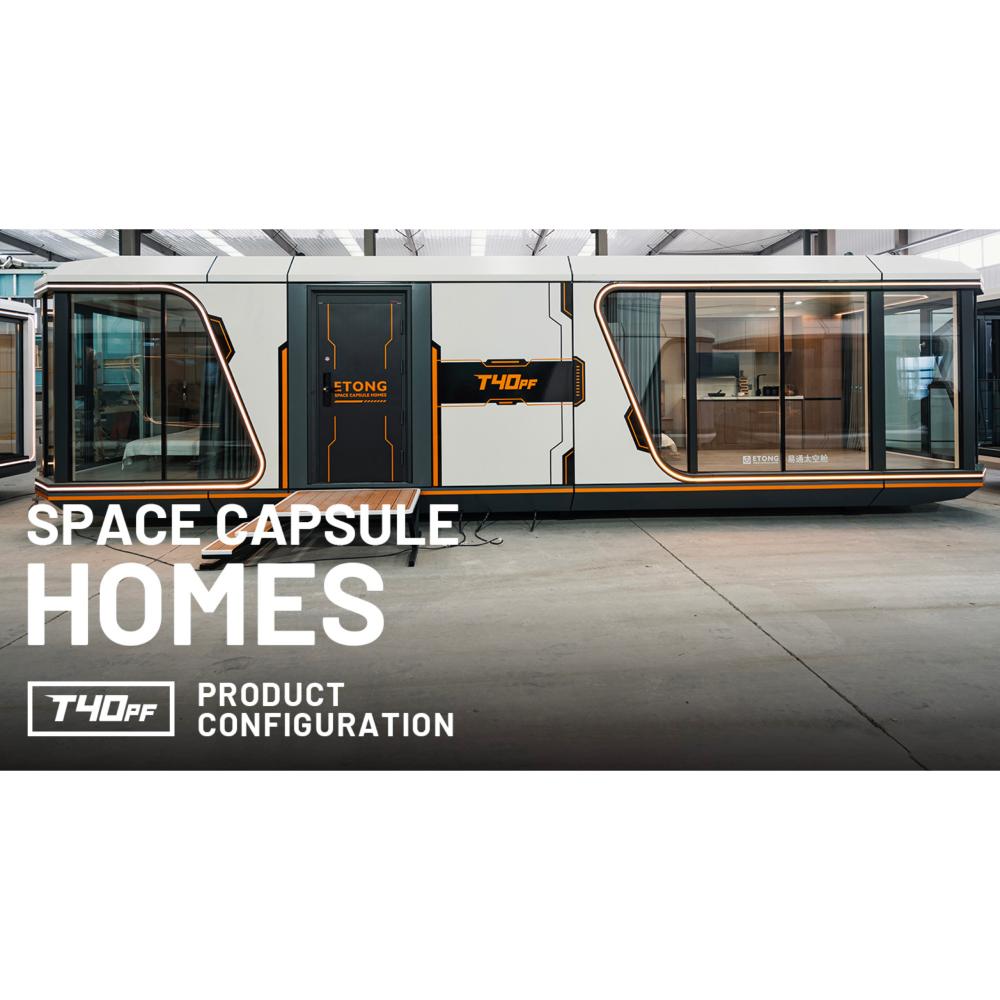
How do you ship a capsule home overseas?
So, you’ve decided one of those nifty space capsule homes from China is your new living space (or your new holiday accommodation or temporary rental sidehustle). Great, but how do you get it from the factory in China to little old NZ, thousands of kilometres away?
The good news is not only is it possible, but it happens every day, products from China getting delivered across the sea and arriving in NZ – your new pod home could be next!
In most cases, your pod home is pre-assembled in China. This means it needs to be delivered on a larger flat rack (FR) container. The shipping costs are more expensive however what you save in constructions costs here in NZ more than makes up for the extra you spend on delivery.
Your pod home supplier in China can generally organise shipping from China to NZ (one of the main ports such as Auckland, Wellington or Christchurch (Lyttelton)) or you can work with a local company to arrange the shipping from the Chinese port. Costs can vary so its best to shop around.
Some other considerations include:
- Local access – Check a truck with a large pod home can access the site you want to put it on. Provide the shipping dimensions including weight and see if they can do a site visit to confirm access is possible. A crane will be needed to lift the pod home off the trailer on to the foundations, so there will need to be somewhere a heavy crane can support itself with outrigger or stabiliser pads.
- Insurance – You have to arrange this yourself and the rate is calculated as follows: CIF price × 110% x 8/10,000. The CIF price is the price of the product (the pod home) plus transporatation fee from factory to port and port charges and shipping cost to destination port. Most will choose all risk coverage since the cost is very reasonable.
- Extra charges – Other costs to take into account above the cost of delivery are customs, 15% GST (normally charged on both the product and delivery cost) and MPI fees for processing at the port.
- Local delivery – There are a few options and your local freight company can advise what will work best. You can opt for domestic shipping if you have a local regional port (eg Nelson or Dunedin) or road transport (truck).
- Detention period – This is the amount of time you have the container before returning it to the shipping company (normally returned to the port the container arrived at). Most shipping companies offer 7 day detention period. If for any reason your local transport company doesnt return the container within this free period, you will be charged a daily detention fee (normally around $200/day).
Curious about the handling of shipping containers? Read on!
What are some things to think about when importing a container into NZ?
Importing a container into New Zealand can be a complex process, requiring careful planning and understanding of regulations to ensure a smooth experience. Whether you’re a business owner bringing in goods or an individual relocating, here are the key aspects to think about.
1. Customs Clearance Requirements
New Zealand’s customs regulations are strict, designed to protect the country’s unique environment and economy. Some key points to keep in mind:
- Documentation: Prepare necessary documents such as the Bill of Lading, commercial invoices, and a detailed packing list.
- Duties and Taxes: Be aware of import duties, GST (Goods and Services Tax), and any exemptions that might apply.
- Prohibited and Restricted Goods: Certain items, like hazardous materials and counterfeit products, are prohibited. Check the list of restricted items that may need special permits.
2. Biosecurity Regulations
New Zealand’s strict biosecurity measures aim to keep harmful pests and diseases out. Containers are subject to inspection by the Ministry for Primary Industries (MPI):
- Cleaning Requirements: Containers should be free of dirt, plant material, or other contaminants.
- Inspection Fees: MPI charges fees for inspections, which can vary depending on the type of goods.
- Declaration of Goods: You’ll need to declare any wooden products, animal-derived materials, or plant-based items.
3. Choosing a Shipping Method
The way you ship your goods will impact costs and logistics:
- FCL vs LCL: Decide between Full Container Load (FCL) or Less than Container Load (LCL), depending on the volume of goods.
- Shipping Routes: Select a reliable shipping line with routes that minimise transit time to New Zealand.
- Insurance: Protect your shipment against damage or loss during transit by purchasing marine insurance.
4. Types of Containers
Selecting the right container type for your shipment is crucial. Common types include:
- Standard Dry Containers: Ideal for general cargo such as boxes, pallets, and crates.
- Refrigerated Containers (Reefers): Used for perishable goods that require temperature control.
- Open-Top Containers: Suitable for oversized items that cannot fit through standard doors.
- Flat-Rack Containers: Designed for heavy or awkwardly shaped cargo like machinery, pod capsule homes or vehicles.
- Tank Containers: Used for transporting liquids, chemicals, or food-grade substances.
5. Port and Delivery Logistics
New Zealand has several ports, including Auckland, Wellington, and Christchurch, which might influence your decision:
- Port Selection: Choose a port closest to your delivery destination to reduce inland transportation costs.
- Handling Fees: Factor in charges like Terminal Handling Charges (THC) and Container Detention Fees if the container isn’t cleared quickly.
- Delivery Arrangements: Arrange for a trucking or freight forwarding company to transport goods to their final destination.
6. Compliance with Standards
Imported goods must meet New Zealand’s safety and quality standards:
- Product Labelling: Ensure all labels comply with regulations, particularly for food and consumer products.
- Electrical Goods: Electrical items may need certification to comply with New Zealand’s voltage and safety requirements.
- Building Materials: If you’re importing construction materials, they must adhere to building code standards.
7. Timeline and Costs
Shipping and customs processes can take time, so plan accordingly:
- Lead Times: Consider transit times, customs clearance, and delivery schedules.
- Cost Estimation: Include freight charges, duties, taxes, and handling fees in your budget.
- Unexpected Delays: Build in contingency time for delays due to inspections or documentation issues.
8. Engaging Professionals
If the process seems daunting, consider hiring experts to simplify it:
- Customs Brokers: They can handle paperwork, compliance checks, and clearance on your behalf.
- Freight Forwarders: These professionals can manage the logistics, including shipping and delivery.
- Biosecurity Consultants: For specialised goods, consultants can help ensure biosecurity compliance.
Local delivery
Great, so your pod home has finally arrived in NZ and cleared customs. It’s ready for the final leg of its journey from the port to your prepared site.
Your local transportation company will arrange this and advise of the cost to bring it to your place. Because of the width of the capsule homes, a pilot vehicle will be required.
You may also need to alert the neighbours the pod home is arriving so they don’t block access to the site and a large truck trailer can easily get on and off the delivery area. A crane will remove the pod and place it on the foundations where your builder will be waiting to secure it to the foundations.
Both the delivery truck and crane can now leave as their job is done, hopefully everything has been a great success and all that’s left to do is for your sparky and plumber to connect the services!
Importing a container with your pod home into NZ
Importing a container into New Zealand requires meticulous preparation and adherence to local regulations. By understanding customs and biosecurity requirements, choosing the right shipping method, and working with professionals where necessary, you can navigate the process efficiently. Investing time in planning will save you from costly delays and ensure your goods arrive safely and on time.